The Impact of Guilt and Blame on Children
Growing up children navigate a complex world of friendships, school, and family. However, when feelings of guilt and blame enter their young lives, they can act like a heavy backpack, weighing them down and impacting their development. Understanding the impact of guilt and blame on children is crucial for parents and caregivers in our community.
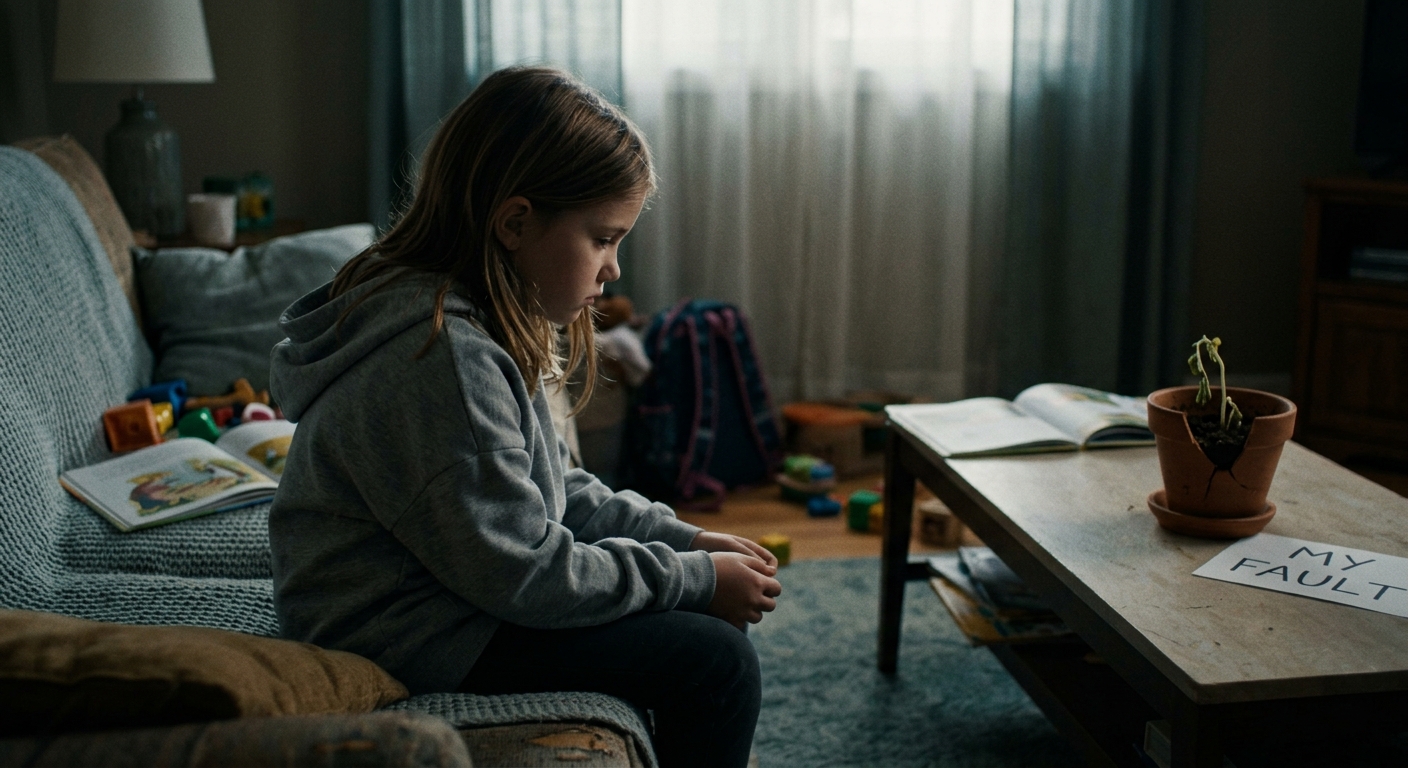
Guilt arises when a child believes they have done something wrong. On the other hand, blame is often directed outward, a way for a child to avoid responsibility by pointing fingers at others. While learning right from wrong can sometimes involve these emotions. Yet, excessive or misplaced guilt and blame can lead to significant negative consequences for children’s emotional and behavioral health.
The Impact of Guilt on Children
- Lowered Self-Esteem: When children constantly feel guilty, they may internalize these feelings. They might start to believe they are inherently “bad” or incapable. This can severely damage their self-worth and confidence.
- Increased Anxiety: Guilt can lead to worry and anxiety. Children might constantly fear punishment or disapproval. As a result, they may become overly cautious, hesitant, and even develop physical symptoms like stomach aches or headaches.
- Social Withdrawal: Children burdened by guilt may feel ashamed or embarrassed. Consequently, they might withdraw from social situations. This is due to fearing judgment from their peers in schools and activities. This isolation can further exacerbate feelings of loneliness and sadness.
- Difficulty Taking Risks: The fear of making mistakes and feeling guilty can prevent children from trying new things. Therefore, they might miss out on valuable learning experiences and opportunities for growth.
- People-Pleasing Behaviors: To avoid feeling guilty or facing disapproval, children might become overly eager to please others. While kindness is important, excessive people-pleasing can lead to a lack of boundaries and an inability to assert their own needs.
The Impact of Blame on Children
-
Lack of Responsibility: When children constantly blame others, they avoid taking responsibility for their actions. This hinders their ability to learn from mistakes and develop a sense of accountability.
-
Impaired Relationships: Blaming others can create conflict and damage relationships with siblings, friends, and even family members. Over time, this can lead to social isolation and difficulty forming healthy connections.
-
Difficulty with Empathy: Children who frequently blame others may struggle to understand the impact of their actions on others’ feelings. Thus, their capacity for empathy and compassion can be limited.
-
Externalizing Behaviors: Blame can sometimes manifest as aggression or defiance. Children might act out to deflect responsibility or express their frustration with perceived unfairness. This can lead to problems in school.
- Hindered Problem-Solving: Focusing on who is at fault rather than what went wrong prevents children from developing effective problem-solving skills. Consequently, they may struggle to find constructive solutions to conflicts.
Conclusion:
At Pediatric and Adult Behavioral Counseling in Bloomfield Hills, MI, we understand the delicate nature of children’s emotional development. Our experienced therapists provide a safe and supportive environment to help children understand and process feelings of guilt and blame in healthy ways. We work with families to foster self-awareness, responsibility, and emotional well-being in their children. If you are concerned about how guilt or blame might be affecting your child in the Bloomfield Hills area, please reach out to us. We are here to offer guidance and support. Contact Pediatric and Adult Behavioral Counseling in Bloomfield Hills, Michigan, to learn more about how we can help children navigate complex emotions like guilt and blame. Schedule your child’s appointment today.