Coping Skills for Children
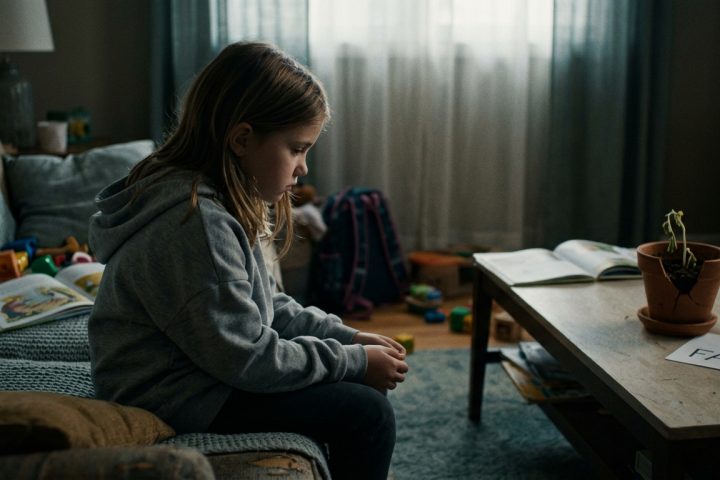
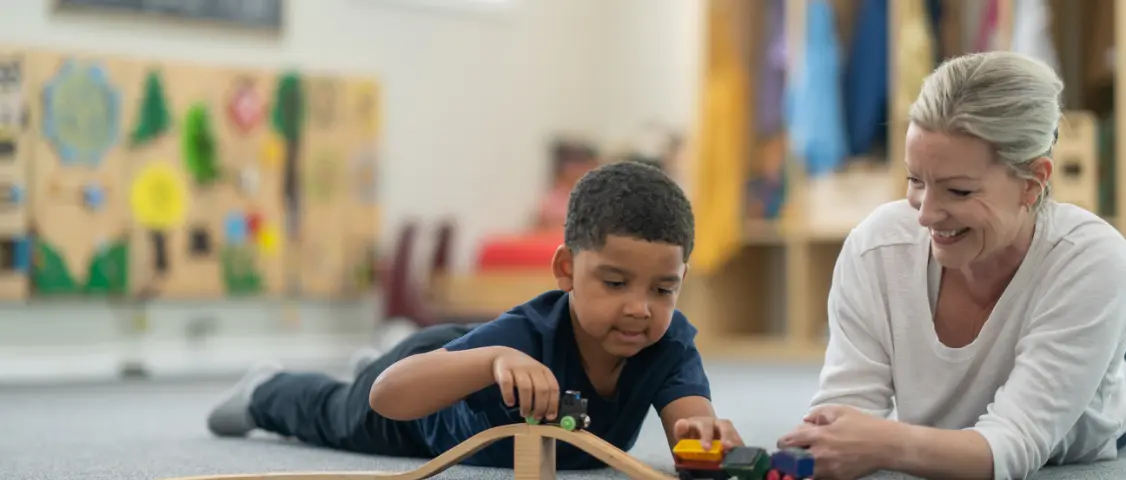
Life can feel overwhelming for children. Kids navigate many big feelings. Learning coping skills is essential. They empower children to handle tough times in healthy ways. Children face various stressors. School, friendships, and family changes can be challenging. Strong coping skills help them manage these feelings. Consequently, they learn to handle big emotions in healthy ways. This builds resilience. Ultimately, it helps them thrive in their daily lives.
Fostering Coping Skills at Home: A Parent’s Role
Parents play a vital role in helping their children develop strong coping skills. Creating a supportive and open environment is key.
Firstly, model healthy coping yourself. Children learn by watching you manage stress. For example, let them see you take deep breaths or talk about your feelings calmly. Secondly, create opportunities for practice. Talk about feelings during everyday situations. Ask your child how they are feeling and help them identify their emotions.
Furthermore, validate their feelings, even if they seem small to you. Saying “It’s okay to feel sad” helps them feel understood. Additionally, teach specific techniques. Practice deep breathing together. Create a “calm down corner” where they can take a break. Moreover, encourage problem-solving. When they face a challenge, guide them to think of solutions instead of immediately fixing it for them.
Finally, celebrate their efforts. Acknowledge when they use a coping skill effectively. This reinforces positive behavior. Remember, building these skills takes time and patience from both you and your child.
Key Coping Skills
Here are some coping skills for children to try:
-
-
Deep Breathing: Teach children to breathe slowly and deeply. Deep breaths calm their bodies. Try counting while breathing in and out. For example, breathe in for four counts and out for six. This simple technique helps with stress.
-
Taking a Break: When things feel too much, a break can be helpful. Kids can go to a quiet spot. They can engage in a calming activity. This could be reading a book or drawing.
-
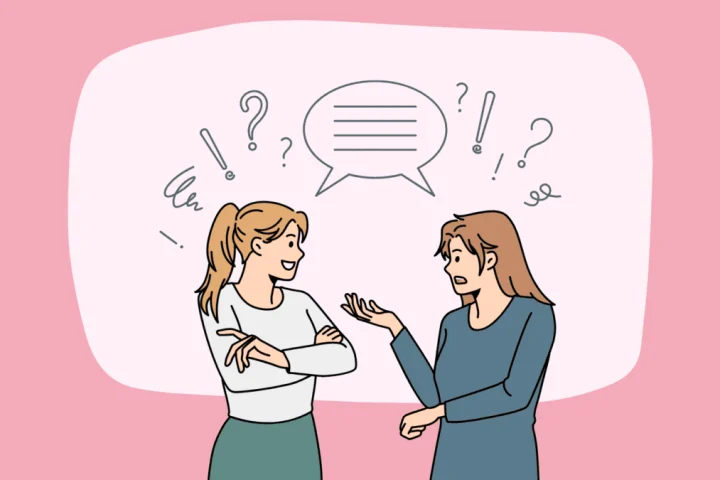
Talking About Feelings: Encourage children to share how they feel. Talking helps them understand their emotions. Moreover, it lets them know they are not alone in their experiences.
-
Positive Self-Talk: Help children use kind and encouraging words to themselves. Instead of thinking “I can’t,” encourage them to try “I can try my best.” This builds their confidence.
- Problem-Solving: Teach children to think about different solutions to their problems. For instance, if they have a conflict with a friend, brainstorm ways to resolve it. This empowers them to find solutions.
- Physical Activity: Moving their bodies helps children release pent-up energy. Running, jumping, or playing sports can significantly improve their mood. Birmingham has many parks and activities for this.
- Creative Expression: Art, music, and imaginative play offer great outlets for emotions. Through these activities, kids can express feelings without needing words.
- Mindfulness: Help children focus on the present moment. Ask them what they see, hear, and feel right now. This practice reduces worry about the past or future.
-
Conclusion:
At Pediatric and Adult Behavioral Counseling in Bloomfield Hills, Michigan, we understand the importance of strong coping skills for children. Our experienced therapists near you teach these skills in a supportive and engaging way. Ultimately, we help children build their skills to handle life’s challenges effectively. If your child could benefit from extra support in developing coping skills, please reach out to us. We offer a safe and nurturing space for them to learn and grow emotionally. Contact Pediatric and Adult Behavioral Counseling in Bloomfield Hills, MI, to learn more about coping skills for children and how we can help your family by scheduling a confidential consultation.