The Importance of Grief Counseling: Finding Healing and Support
Losing a loved one is one of life’s most challenging experiences. The pain and emotions that follow can be overwhelming, and it’s natural to want to avoid them. However, grieving is a vital process for healing and adjusting to life after loss. Pediatric and Adult Behavioral Counseling in Bloomfield Hills, Michigan, understands the importance of grief and seeking support can make a significant difference in navigating this difficult journey.
What is Grief?
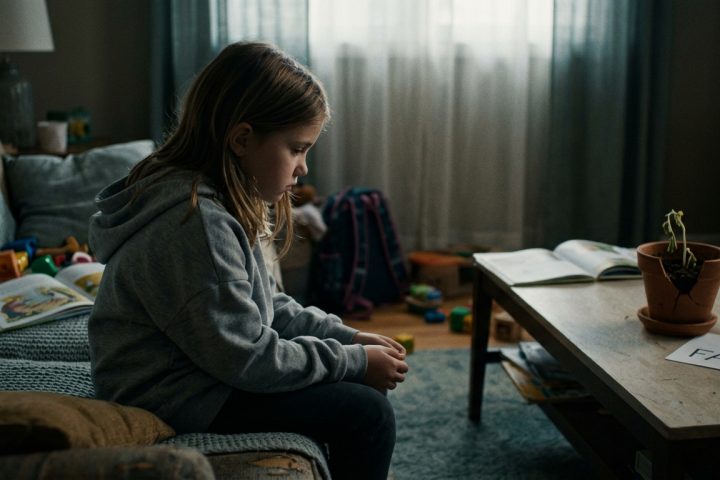
Grief is a natural response to loss. It’s a complex process encompassing a range of emotions, including sadness, anger, confusion, and even physical symptoms like fatigue and sleep disturbances. Everyone grieves differently, and there’s no “right” way or timeline. Grief doesn’t necessarily only happen when a loved one passes away, it can happen when you lose your favorite item, your team loses, moving away, divorce, breakups, job loss, personal injury or illness, disasters, etc.
The Importance of Grief
Grief is important because:
-
-
Healing and Adjustment: Grieving allows us to process the reality of the loss and begin to adjust to a new life without our loved one. It’s a way of honoring the relationship and finding a path forward.
-
Preventing Complications: Suppressing grief can lead to prolonged emotional distress. This can contribute to depression, anxiety, or even physical health issues.
-
Finding Meaning: While it may seem impossible at first, grieving can eventually lead to a renewed sense of meaning and purpose in life. It can help us appreciate the value of relationships and develop greater resilience.
-
Expressing Emotions: Talking about the loss, whether with friends, family, or a professional, is a crucial part of the grieving process. It allows us to express our feelings and receive support.
- Remembering and Connecting: Grief helps us find healthy ways to remember and celebrate the lives of those we’ve lost. We can keep their memory alive while moving forward.
-
Navigating Grief
If you’re grieving the loss of a loved one, know that you’re not alone. Grief Counseling offers resources and support to help you through this challenging time.
-
- Connect with Supportive People: Seek out friends, family, or support groups where you can share your feelings and experiences.
- Take Care of Yourself: Grief can take a toll on your physical and emotional health. Prioritize sleep, nutrition, and exercise.
- Allow Yourself Time: There’s no set timetable for grieving. Be patient with yourself and allow the process to unfold at its own pace.
- Seek Professional Help: If you’re struggling to cope or feel overwhelmed by your emotions, Pediatric and Adult Behavioral Counseling offers professional support to help you navigate the difficult journey of grief, develop coping skills, and work towards healing and adapting to a new reality.
Benefits of Grief Counseling
A grief counselor can provide numerous benefits to individuals who are experiencing the pain of loss. These benefits include:
- Emotional Support: A counselor offers a safe, non-judgmental space to express feelings of sadness, anger, guilt, and confusion. They can validate these emotions, helping you feel heard and understood.
- Understanding Grief: Counselors can educate you about the grieving process, including common stages and reactions. This can help you understand that your experience is normal and that there isn’t a “right” or “wrong” way to grieve.
- Coping Strategies: They can teach you healthy coping mechanisms to manage intense emotions and navigate difficult times, such as anniversaries and holidays. These strategies might include mindfulness, journaling, or relaxation techniques.
- Reduced Isolation: Grief can be a very isolating experience. A counselor can provide a connection and understanding that helps reduce feelings of loneliness. Support groups facilitated by counselors can also offer a sense of community with others who are experiencing similar losses.
- Guidance in Adjusting to Life: Counselors help you adjust to life without the person or thing you’ve lost, assisting with practical challenges and helping you find new meaning and purpose.
- Prevention of Complications: By addressing grief in a healthy way, counselors can help prevent potential long-term emotional and psychological complications like depression, anxiety, or prolonged grief disorder.
- Personal Growth: Grief counseling can sometimes lead to personal growth, fostering a deeper understanding of yourself and your resilience.
- Improved Communication: Counselors can help you develop effective communication skills to articulate your needs and feelings to others, which can strengthen your support network.
- Honoring the Deceased: They can provide a safe space to talk about the deceased and honor their memory in a healthy and meaningful way.
Finding Support for Grief
At Pediatric and Adult Behavioral Counseling, we understand the complexities of grief and offer compassionate support to individuals and families. Our experienced grief therapists near you can provide a safe and supportive environment for you to process your emotions, develop coping strategies, and find a path toward healing. Schedule an appointment to get started on your grieving journey. We’re here to help you navigate this difficult time and find hope for the future.