Conflict Resolution: A Pathway to Stronger Bonds
Strong and healthy relationships are the cornerstones of individual and collective well-being. However, it’s a universal truth that even the most loving and supportive connections will inevitably encounter disagreements and conflicts. While these moments can feel challenging, at Pediatric and Adult Behavioral Counseling in Bloomfield Hills, Michigan, we understand that effective conflict resolution isn’t just about finding a quick fix. It serves as a powerful pathway to fostering deeper understanding, building stronger trust, and ultimately forging more resilient bonds with our loved ones right here in Oakland County.
Navigating Disagreement
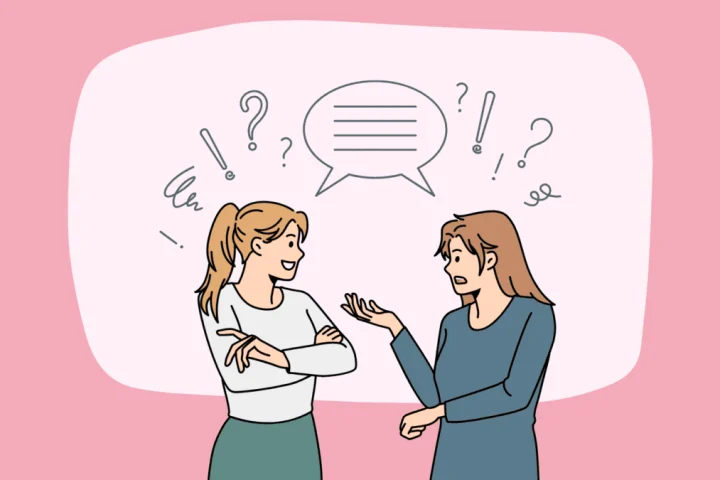
Think about the dynamics within your family, your partnership, or your close friendships. When disagreements arise, the way you navigate them can either create distance and resentment or, conversely, draw you closer. Initially, many might try to avoid conflict altogether, hoping it will simply dissipate. However, this avoidance often allows underlying issues to fester, leading to greater tension over time. On the other hand, aggressive or accusatory approaches tend to escalate conflict, resulting in hurt feelings and damaged trust. Therefore, learning and applying effective conflict resolution skills becomes essential for nurturing and sustaining healthy relationships.
Benefits of Healthy Conflict Resolution
Indeed, conflict resolution, when approached constructively, offers several key benefits that strengthen the bonds we share:
-
-
Firstly, it fosters deeper understanding: Engaging in healthy conflict resolution requires actively listening to the other person’s perspective. Truly understanding another’s point of view, even when it differs from our own, builds empathy and strengthens our emotional connection.
-
Secondly, it builds trust and respect: When conflicts are resolved fairly and with respect for everyone involved, it reinforces the belief that your relationship is a safe and supportive space. Knowing that you can navigate disagreements constructively fosters a sense of security and trust.
-
It improves communication skills: Conflict resolution necessitates clear and open communication. By practicing effective communication techniques during disagreements, such as using “I” statements and active listening, you develop skills enhancing all aspects of your relationships.
-
It often leads to mutually beneficial solutions: The goal of healthy conflict resolution isn’t about winning or losing, but about finding solutions that work for everyone involved. This collaborative approach strengthens the sense of partnership and shared goals.
- It uncovers underlying issues: Frequently, surface-level arguments mask deeper, unmet needs or concerns. Engaging in conflict resolution can help bring these underlying issues to light, allowing for more meaningful and lasting resolutions in relationships.
- Finally, it increases resilience: Successfully navigating conflict together strengthens the resilience of your relationships. Knowing that you can weather disagreements and emerge stronger builds confidence in the longevity and stability of your bonds.
-
Practical Conflict Resolution Strategies
To facilitate this positive pathway:
-
- Begin by listening actively: Truly focus on what the other person is saying, both verbally and nonverbally. Try to understand their feelings and perspective without interrupting or formulating your response immediately.
- Next, utilize “I” statements: Express your own feelings and needs using “I” statements (e.g., “I feel concerned when…”) rather than placing blame (e.g., “You always…”).
- It’s important to focus on the issue, not the person: Keep the discussion centered on the specific problem at hand. avoiding the urge to bring up past grievances or attack the other person’s character.
- Seek common ground: Identify areas of agreement and use them as a foundation for finding solutions. Shared goals can facilitate a mutually acceptable outcome.
- Be willing to compromise: Resolution often involves finding a middle ground where everyone’s needs are acknowledged and partially met. A willingness to compromise demonstrates respect and commitment to the relationship.
- If needed, take a break: When emotions become overwhelming, it’s beneficial to take a break. Revisit the conversation when everyone is calmer and more able to engage constructively.
Conflict Resolution Support:
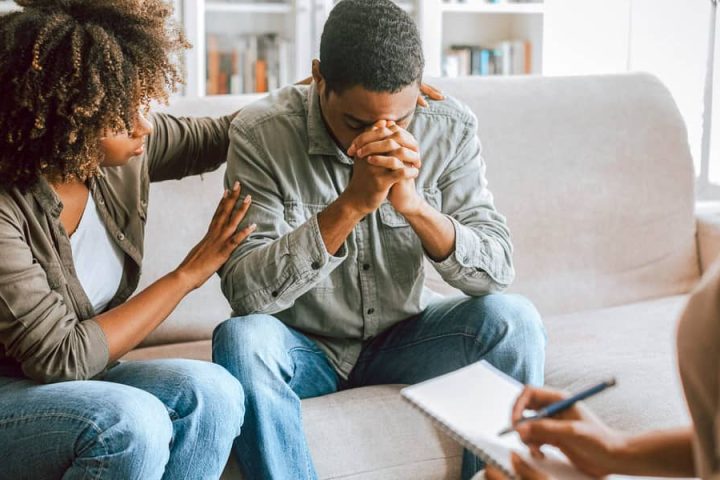
While conflict is an inevitable part of human connection, it doesn’t have to be a destructive force. By embracing effective conflict resolution techniques, we can transform disagreements from potential relationship destroyers into powerful opportunities for growth and deeper connection. At Pediatric and Adult Behavioral Counseling in Bloomfield Hills, MI, we are dedicated to helping individuals and families navigate these challenges and build stronger, more resilient, and more fulfilling relationships. Empower yourself to resolve conflict constructively. Schedule an appointment with our experienced counselors in Bloomfield Hills, MI.