Coping with Political Stress and Mental Health
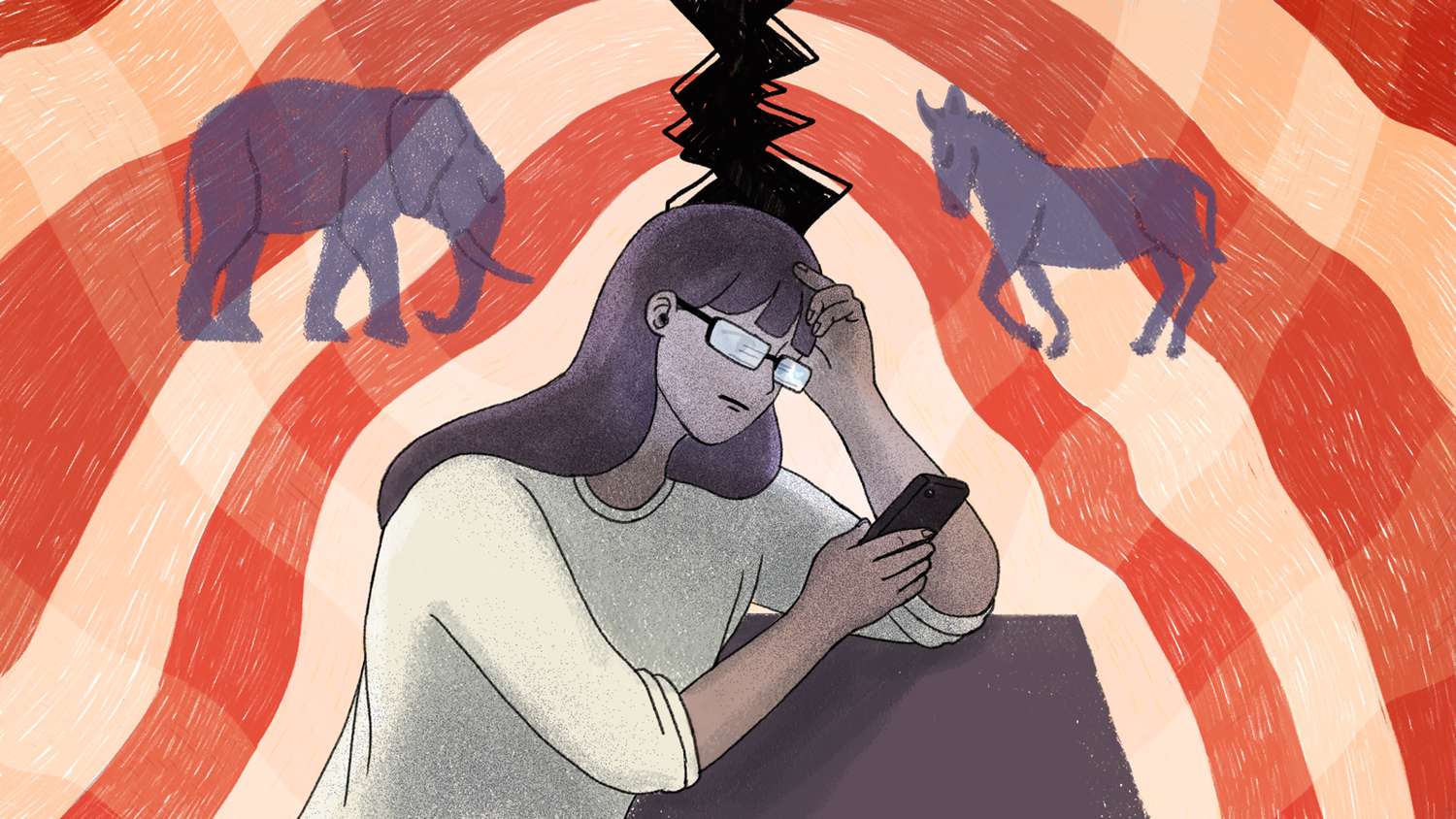
Political issues and the climate surrounding them seem to dominate public discourse. Whether the outcome of the election, social justice movements, political debates, or global policies, politics often elicit strong emotions. Although political involvement is necessary as part of a functioning democracy, the emotional toll it takes, however, can significantly impact mental health. From stress and anxiety to depression and emotional fatigue, coping with political stress and mental health is a growing concern requiring attention and understanding.
The Rise of Political Stress
Political stress is not a new phenomenon, but it has become more pronounced in recent years. Given the 24/7 media coverage, social media influence, and polarized political climate, many individuals feel constant pressure to stay informed, advocate for beliefs, or react to unfolding political events. While the stress is temporary for some, for others it’s chronic, which ultimately contributes to negative mental health outcomes.
How Political Stress Affects Mental Health
1. Increased Anxiety and Fear: Political events can heighten anxiety, making people worried about the future. When decisions affect issues like healthcare or civil rights, constant fear of societal or policy changes can leave feelings of vulnerable and uncertain.
2. Depression and Helplessness: Political stress can lead to feelings of helplessness. This occurs when individuals believe their efforts to create change are futile. Depressive symptoms can be triggered with a dissatisfaction with political discourse.
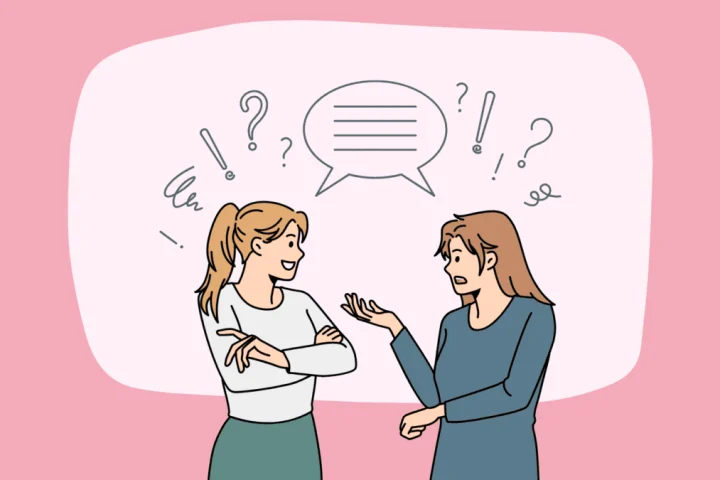
3. Social Isolation and Conflict: Political disagreements can strain relationships, leading to isolation, loneliness, and alienation. People may avoid those with differing views, increasing stress.
4. Burnout and Compassion Fatigue: In particular, intense emotional investment in political activism can lead to burnout and compassion fatigue. This is often for those deeply involved in social justice or environmental protection.
5. Post-Traumatic Stress (PTS): Specifically, political stress can cause Post-Traumatic Stress (PTS), particularly in marginalized groups. Symptoms can include nightmares, flashbacks, or emotional numbness.
Coping with Political Stress
Political stress is difficult to avoid, there are ways to cope with its effects and protect your mental health:
- Limit Media Consumption
Constant exposure to political news can fuel stress and anxiety. For instance, setting limits on news consumptions, especially on social media, can reduce the mental toll. One strategy is setting specific times to catch up on current events and avoiding the news before bed to prevent stress from affecting your sleep. -
Focus on What You Can Control
Political stress often stems from feelings of powerlessness. Focusing on actions within your control, like voting or local community efforts. This can provide a sense of agency and reduce helplessness. -
Practice Self-Care and Mindfulness
Engaging in self-care practices, such as meditation or yoga, can calm the mind and reduce anxiety. Additionally, mindfulness practices help you stay grounded, while regular exercise can reduce stress and improve mood. -
Seek Support from Like-Minded Individuals Surround yourself with people who share your values. Engaging in discussions with like-minded people fosters a sense of community and reduce isolation. Joining support or advocacy groups can channel emotions into productive action.
-
Set Healthy Boundaries in Conversations It’s important to set boundaries in political discussions, particularly if they become hostile or overwhelming. If at any point you feel a conversation affects your mental health, it’s okay to politely excuse yourself or redirect the conversation.
-
Reach Out for Professional Support
If political stress is taking a significant toll on your mental health, it may be helpful to reach out to a licensed counselor near you at Pediatric and Adult Behavioral Counseling. Please contact us and schedule an appointment. Therapy provides a safe space to discuss your political concerns without judgment and you can build resilience against the emotional effects of political stress.